By Ainformer Newsroom | March 4, 2026
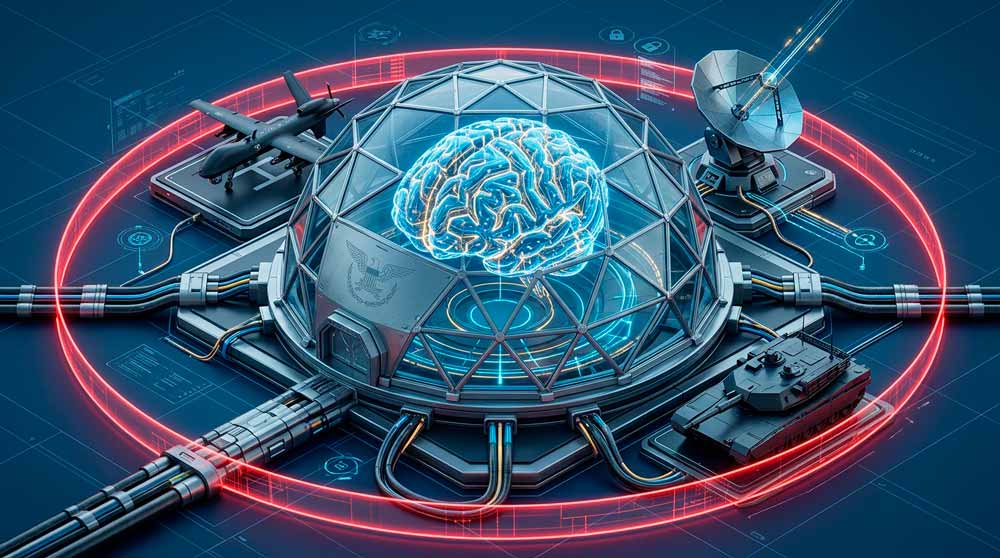
The U.S. Department of Defense suspended the use of Anthropic’s AI models in early March 2026 following a dispute over military safeguards. Shortly afterward, OpenAI confirmed expanded cooperation with the Pentagon for secure and classified deployments.
Update: OpenAI stated that its agreement with the Pentagon maintains human oversight policies and existing safety principles.
According to multiple media reports, federal agencies initiated a review of Anthropic’s eligibility for certain defense contracts. Officials cited supply-chain and national security concerns. However, Anthropic has not described the move as a formal blacklist. Instead, the company acknowledged disagreements over acceptable military applications.
Pentagon Concerns and Anthropic’s Position
The dispute reportedly centered on safeguards related to mass surveillance and fully autonomous weapons systems. In particular, Anthropic declined to loosen specific usage restrictions in its models. CEO Dario Amodei has previously stated that the company maintains firm boundaries for high-risk deployments.
Defense officials, including Secretary Pete Hegseth, criticized these limitations. They argued that the restrictions reduced operational flexibility. Consequently, agencies began assessing alternative AI providers for classified environments.
- Supply-Chain Review: Federal authorities initiated an assessment of Anthropic’s future defense eligibility.
- Contract Realignment: OpenAI confirmed expanded cooperation with the DoD.
- Policy Debate: The situation intensified discussion about AI deployment in national security systems.
Market Reaction and Public Response
Meanwhile, the controversy triggered strong reactions across social media platforms. The hashtag #QuitGPT began trending in technology communities. Some outlets reported significant subscription cancellations. However, OpenAI has not released independently verified figures regarding user losses.
At the same time, Anthropic’s Claude assistant gained increased visibility in U.S. app store rankings. Analysts suggest this may reflect short-term perception shifts rather than structural migration between platforms.
Branding, Ethics, and Strategic Risk
Security experts Bruce Schneier and Nathan E. Sanders addressed the issue in a recent Guardian opinion piece. They argued that the episode reflects broader tensions between advanced AI systems and democratic oversight.
“The lesson here isn’t that one AI company is more ethical than another. It’s that we must renovate our democratic structures.” — Nathan E. Sanders & Bruce Schneier
Anthropic previously signed defense-related agreements reportedly valued at approximately $200 million. Therefore, observers view the current disagreement as a dispute over operational boundaries rather than a full rejection of military engagement.
AI and the Future of Defense Systems
The Pentagon’s broader interest in advanced AI extends beyond administrative automation. Analysts highlight applications such as logistics optimization, intelligence analysis, and autonomous systems support.
- Automated Target Identification: Existing drone platforms already use AI-assisted detection tools.
- Human-in-the-Loop Policies: Both OpenAI and Anthropic state they support meaningful human oversight.
- Open-Weight Models: The U.S. military continues evaluating custom and open-weight AI systems.
Industry Implications
The dispute underscores a broader trend. Frontier AI systems are becoming strategically significant. As a result, partnerships between major AI labs and governments are likely to expand.
Nevertheless, such cooperation carries reputational and political risks. Companies must balance national security demands with global public trust. Whether this episode represents a temporary contract shift or a deeper structural change remains to be seen.
Sources
- The Guardian: Opinion: The Pentagon, OpenAI, and the Public Interest
- Times of India: Tech Desk: OpenAI Subscriber Exodus Report
- Forbes: Tracking the #QuitGPT Movement
 Redactor