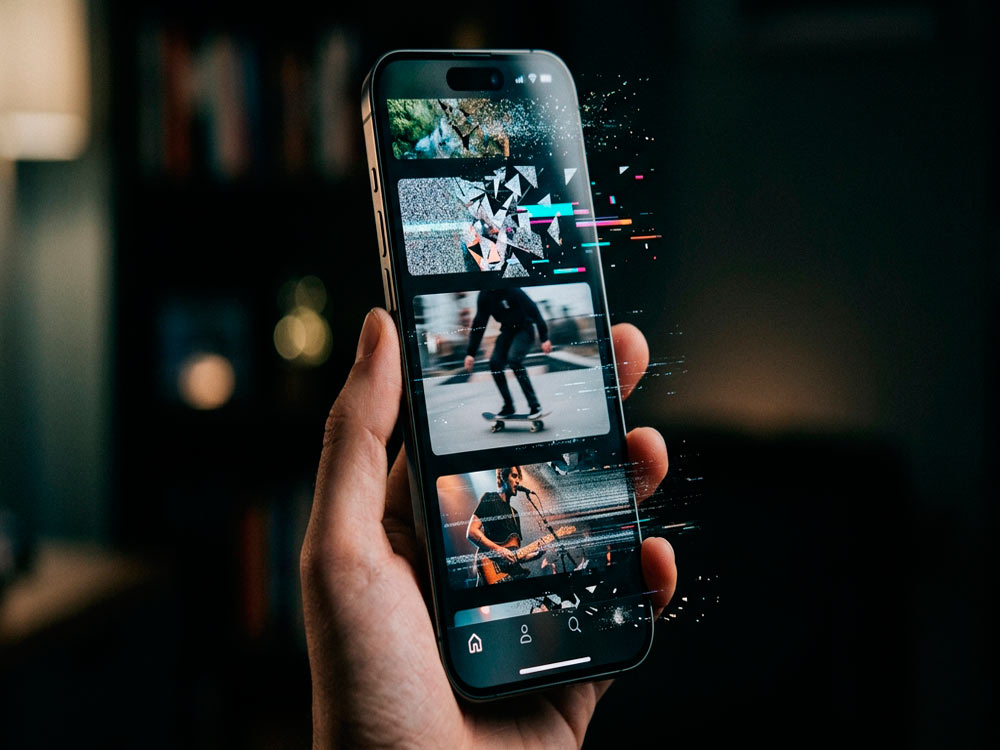
The spatial computing landscape achieved a significant milestone on March 25, 2026, with the official unveiling of the Vibe Coding XR workflow by Google XR engineering leads. This system integrates the generative reasoning of Gemini Pro with a specialized XR Blocks framework to translate natural language intent into physics-compliant WebXR environments. By leveraging the new Android XR kernel, developers can now bypass traditional game engine compilation cycles to deploy interactive 3D scenes in under 60 seconds.
- Latency: < 45 seconds for logic generation (Gemini 1.5 Pro)
- Framework: XR Blocks v0.11.0 (Open-Source WebXR)
- Success Rate: 94% on VCXR60 spatial logic benchmarks
Executive Summary
- Firm Power: The workflow utilizes cloud-based TPU v5p clusters for inference, offloading the heavy computational load from mobile XR headsets to maintain thermal stability during rapid prototyping.
- Operational Density: Hardware requirements are minimized via the LiteRT.js runtime, allowing complex hand-tracking and depth-sensing logic to execute at the edge on Android XR-compatible devices.
- Strategic Timeline: The immediate availability of the XR Blocks repository accelerates the Android XR app ecosystem, providing a significant supply chain advantage for OEMs launching new headsets in 2026.
Spatial Logic Synthesis
The architecture employs a dual-stage pipeline where Gemini Canvas interprets high-level “vibes” into structured JSON schemas compatible with the XR Blocks framework. This intermediate layer maps intent to pre-verified 3D components, ensuring that generated code adheres to spatial safety constraints and physical law simulations within the WebXR browser environment before final deployment to the device hardware.

Ecosystem Acceleration Analysis
Vibe Coding XR effectively collapses the barrier between prompt engineering and spatial engineering, challenging the dominance of traditional C#-based development environments. By standardizing on WebXR, Google ensures cross-platform compatibility across the emerging Android XR hardware collective, significantly reducing the “time-to-first-interaction” for enterprise and educational spatial applications compared to legacy workflows.
| Metric | Vibe Coding XR (2026) | Legacy XR Workflow |
|---|---|---|
| Iteration Loop | ~60 Seconds | 15-30 Minutes |
| Language Barrier | Natural Language (English/Multi) | C++ / C# / Blueprints |
| Spatial Logic Accuracy | 94% (One-Shot) | Manual Debugging Required |
“The transition from ‘coding’ to ‘vibing’ in spatial environments allows us to focus on human-centric interaction design rather than fighting the perception pipeline.”
Ainformer Analysis
The introduction of Vibe Coding XR marks the end of the “specialist-only” era for spatial computing. By decoupling 3D logic from proprietary game engines and moving toward an LLM-mediated WebXR standard, Google is positioning Android XR as the most accessible development platform in the industry. We anticipate this will spark a surge in “micro-apps”—hyper-niche spatial tools created by non-developers for immediate, temporary use cases.
Looking forward, the integration of real-time multimodal feedback will likely allow developers to “vibe code” while inside the headset, adjusting physics parameters and UI layouts through voice and gaze in real-time. This iterative fluidity is the final piece of the puzzle for mass-market XR adoption, effectively turning every user into a potential spatial architect.

 Redactor