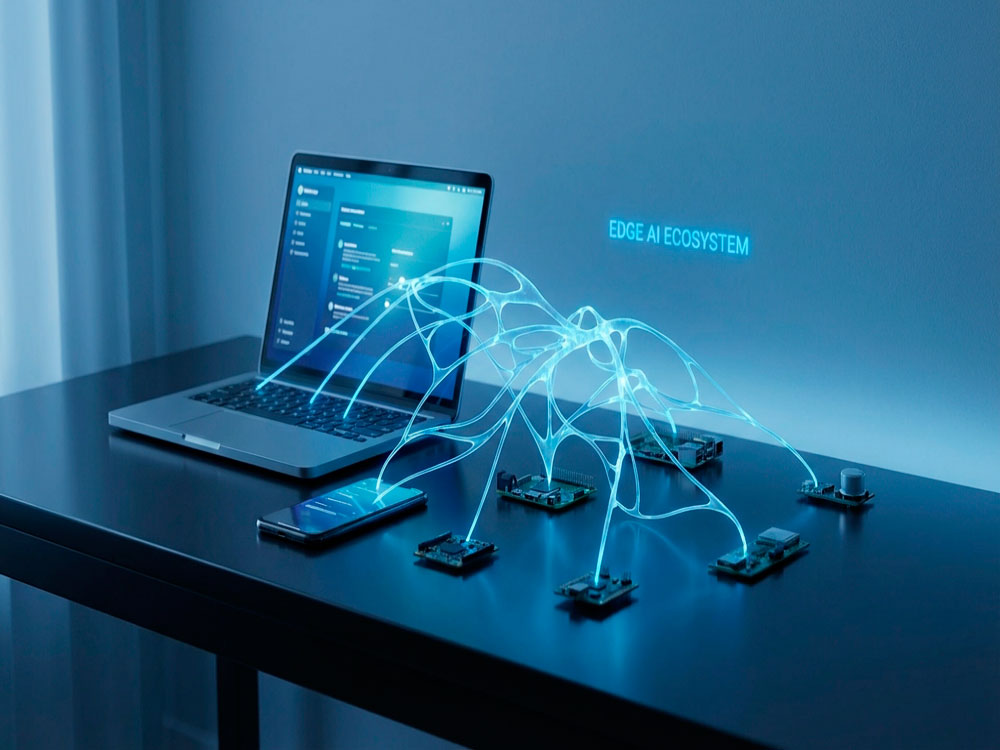
The Windows 12 kernel architecture introduces a dedicated neural scheduling layer designed to offload telemetry and UI-thread processing to localized NPU clusters. As Microsoft has not officially released Windows 12, this report serves as a technical forecast based on current Windows Insider Canary builds and “Hudson Valley” architectural leaks. The transition represents a fundamental shift from CPU-bound task management to a hybrid system where the OS kernel treats neural weights as primary executable assets.
- Native NPU integration supporting ~45 TOPS (est.) for real-time kernel-level process optimization.
- Projected 25% reduction in system interrupt latency via AI-driven predictive resource allocation (~Value est.).
- Baseline memory footprint for the persistent neural runtime estimated at ~2.5GB VRAM (est.).
Executive Summary
- Firm Power: Modern AI-integrated operating systems require continuous NPU engagement, shifting the power profile of mobile workstations toward a sustained 15-30W neural load during standard productivity cycles.
- Operational Density: Windows 12 architecture prioritizes “Silicon-to-Software” synergy, mandating hardware with dedicated Tensor processing units to maintain sub-10ms response times for the integrated Copilot Shell.
- Strategic Timeline: Microsoft’s deployment strategy leverages the existing Windows 11 momentum to transition enterprise users toward NPU-required hardware by late 2025 or early 2026.
Kernel Neural Scheduling
The Next Generation Copilot integration operates through a new “Neural Dispatcher” within the NT kernel, allowing the operating system to predictively cache application data based on user behavioral patterns. By moving away from traditional LRU (Least Recently Used) algorithms to transformer-based pre-fetching, Windows 12 minimizes I/O bottlenecks. This architecture ensures that the AI isn’t just an app, but the orchestration layer for the entire file system.
Silicon Requirements Shift
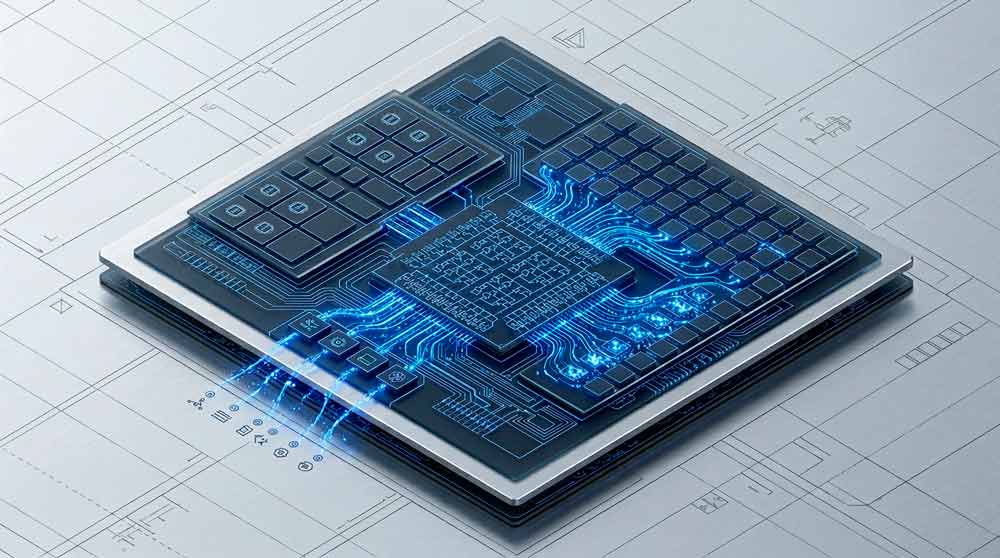
Market consequences of a neural-core OS include the immediate obsolescence of hardware lacking high-performance NPUs. OEMs are already pivoting toward “AI PC” branding, where the primary performance metric shifts from clock speed to TOPS (Tera Operations Per Second). This transition forces a consolidation of the hardware ecosystem around ARM64 and X64 platforms that can support persistent low-power neural inference states.
| Feature | Windows 11 (Current) | Windows 12 (Forecast) |
|---|---|---|
| Copilot Integration | Application Layer / Web-based | Kernel Level / Localized NPU |
| Task Scheduling | Priority-based Heuristics | Neural Predictive Dispatch (~Value est.) |
| Minimum AI Compute | N/A (Optional) | ~40-45 TOPS (NPU Required) |
The move to a neural-centric kernel means the OS finally understands the context of the work being performed, not just the code being executed.
Ainformer Analysis
Microsoft’s pivot toward a neural-core OS is a defensive and offensive play against the rising tide of specialized AI hardware. By embedding Copilot directly into the kernel services, Microsoft ensures that third-party AI agents will struggle to match the latency and system-level access of the native Windows environment. This creates a “gravity well” effect for developers, who must now optimize their software for the Windows Neural Runtime to remain competitive.
Strategic foresight suggests that the initial friction of hardware requirements will be offset by the massive efficiency gains in multi-modal workflows. We anticipate that Windows 12 will serve as the primary catalyst for the largest PC refresh cycle in a decade, effectively ending the “legacy” era of non-AI computing. The OS is no longer a platform for apps; it is a persistent inference engine that happens to run apps.
 Redactor