The AI glasses market in China is entering a new phase in 2026, moving beyond early experimentation toward broader consumer adoption. Reports from China.org.cn, Kr-Asia, and 36Kr point to a combination of government support, hardware improvements, and changing product positioning that is redefining the category. More coverage is available in AI industry news.
AI Glasses China 2026: Market Shift Gains Momentum
According to China.org.cn, AI glasses are gaining mainstream attention in China after years as a niche product. A key driver is policy support: in 2026, AI glasses were included in a national subsidy program, with reported discounts of around 15%.
The report also notes visible retail demand, with queues forming at physical stores operated by Xiaomi and Huawei. This indicates the category is expanding beyond early adopters into a broader consumer audience.
- Inclusion in a national subsidy program (around 15% discount)
- Growing demand in physical retail stores
- Expansion beyond early adopters
From Smartphone Accessory to Standalone AI Platform
The most significant shift is how these devices are positioned. According to 36Kr, 2026 marks a transition from smartphone accessories to independent computing terminals, with built-in connectivity such as eSIM and integrated AI assistants.
This repositioning changes product strategy. Instead of extending smartphone functionality, companies are developing glasses as persistent AI interfaces for everyday use cases.
| Category | Earlier AI Glasses | AI Glasses China 2026 |
|---|---|---|
| Role | Smartphone accessory | Standalone AI device |
| Connectivity | Phone-dependent | eSIM / independent |
| Core function | Notifications, camera | AI assistant, contextual computing |
| Usage model | Occasional | Continuous / daily interface |
Hardware Improvements Driving AI Glasses Adoption
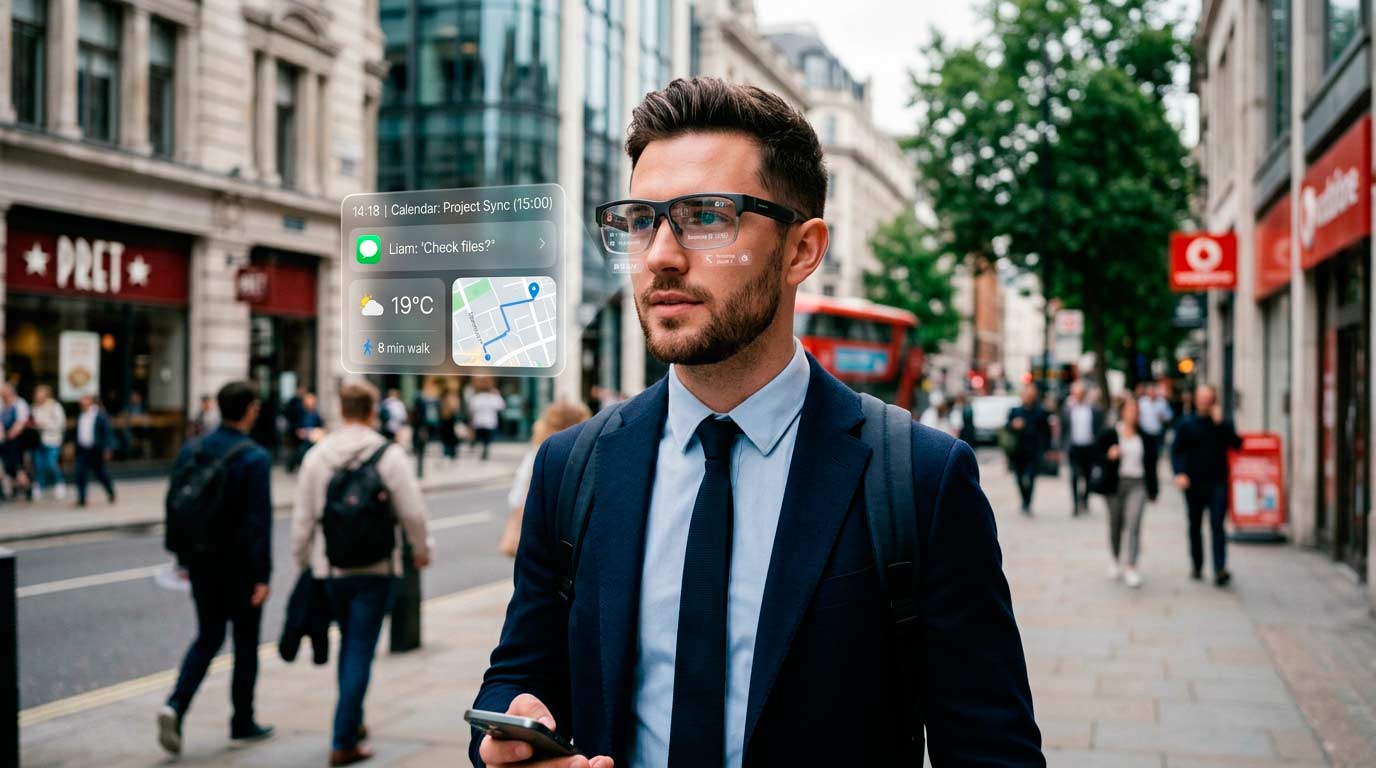
Kr-Asia highlights Qwen AI Glasses from Alibaba as an example of recent hardware progress. The publication reports that the device weighs around 40 grams, comparable to conventional eyewear.
The model also introduces a hot-swappable battery system, allowing users to replace batteries without interrupting usage.
- Lightweight design (~40g, similar to regular glasses)
- Hot-swappable battery system
- Focus on long-term wearability
Across the market, 36Kr describes a broader shift toward lightweight designs, integrated AI capabilities, and more autonomous connectivity.
Why AI Glasses China 2026 Matters for the Industry
Several factors are converging to accelerate adoption:
- Government subsidies lowering entry barriers
- Hardware improvements enabling daily use
- AI becoming the primary product value
March reports citing IDC estimates suggest that Chinese brands could account for around 45% of the global AI glasses market in 2026, with shipments projected to grow by 56.3% year over year. These figures are presented in secondary reports and reflect expectations rather than confirmed outcomes.
Editorial perspective: The combination of policy support, improving hardware, and ecosystem competition suggests this is not just another product cycle. The signals point to an early-stage platform shift, although it remains too early to determine whether AI glasses will move beyond a complementary role.
Together, these signals indicate that AI glasses are evolving into a new category of personal computing devices, even as smartphones remain central.
What Comes Next for AI Glasses Platforms
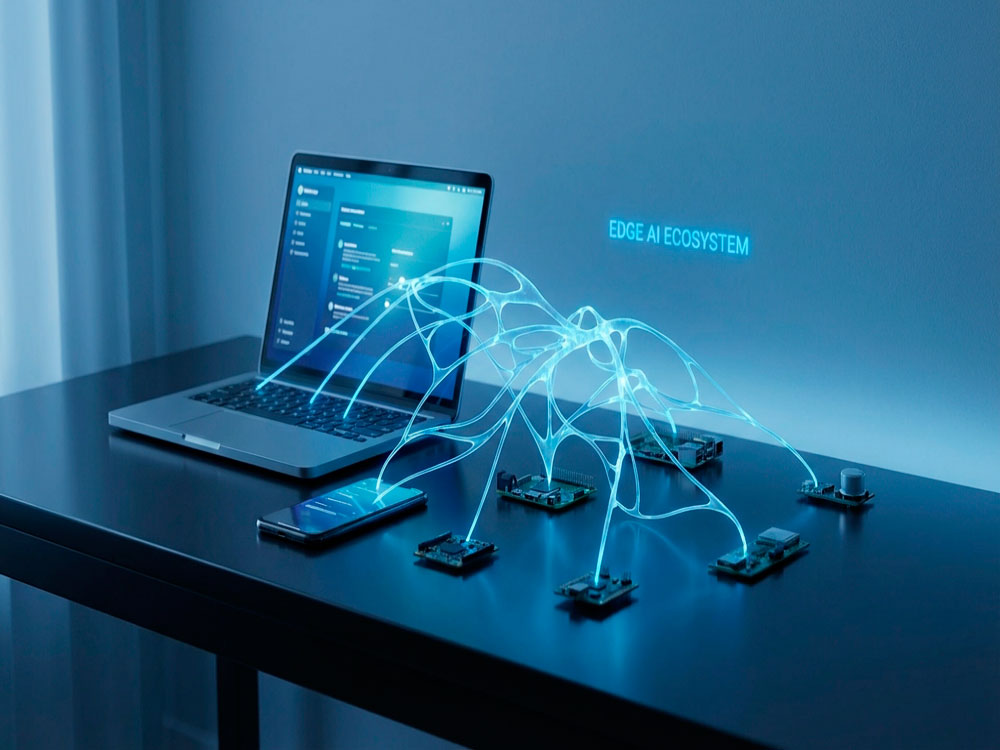
The next phase of competition is likely to center on ecosystems rather than individual hardware features. Companies such as Alibaba, Huawei, ByteDance, Meta, Google, and Apple are positioning AI glasses within broader platforms that combine hardware, software, and services.
Differentiation may depend less on specifications and more on how effectively each company integrates AI assistants and real-world use cases into a wearable format.
Sources
- China.org.cn / Xinhua (March 22, 2026)
- Kr-Asia – MWC 2026 analysis
- 36Kr – AI glasses market report
- March 2026 reports citing IDC forecasts

 Redactor